A few years ago, parents asked me if coding was “extra.” In 2026, the question has quietly changed. Now they ask: “If my child does not learn coding, will they fall behind?”
I get why that worry feels heavy. English was never only a subject — it became a passport. It helped kids read, speak up, apply for opportunities, and move across borders with more confidence. Coding is starting to play a similar role. Not because every child must become a software engineer, but because the world they are growing into speaks in apps, data, AI tools, and digital systems.
So when people say coding is the new English, I hear something simpler: coding is becoming a basic literacy. And literacy, once it matters, is hard to catch up on later.
What “Coding Is the New English” Actually Means
It does not mean your child should abandon cricket, art, or science. It does not mean they must memorise syntax at age eight. And it definitely does not mean coding replaces English, maths, or communication skills.
It means this: kids who can think in steps, break a problem down, and build a small digital solution will feel less lost in school projects, future jobs, and everyday technology. English helped them express ideas to people. Coding helps them express ideas to machines — and, increasingly, guide AI tools that write, design, analyse, and automate.
- English helps children communicate with the world.
- Coding helps children create with the world of technology.
- Both build confidence — one through language, the other through logic and making.
- In 2026, kids need both: clear communication and digital creation skills.
Why Coding Matters More for Kids in 2026
Five years ago, coding felt like a “nice to have” for tech-minded kids. Today, AI is in homework tools, search, design apps, and even school workflows. The children who only consume these tools will use whatever the screen shows them. The children who understand logic will ask better questions, check outputs, and build their own projects.
I see this every week while mentoring at GeekashramJr. A Class 6 student who once only played games now builds a quiz app. A Class 9 learner uses Python to make a mini chatbot, then asks how the model is deciding answers. That shift — from user to maker — is the real advantage.
- School is digital: presentations, research, coding clubs, and STEM fairs reward kids who can build.
- Careers are hybrid: medicine, design, business, and law all touch software and data now.
- AI rewards the curious: kids who understand basics use ChatGPT-like tools better and safer.
- Confidence compounds: finishing a project teaches grit in a way lectures rarely do.
Coding Literacy vs Becoming a Software Engineer
This is where many parents get stuck. They hear “coding” and imagine late nights, burnout, and a forced tech career. That is not the goal.
Think of English again. Every child learns English. Not every child becomes a novelist. Coding literacy works the same way. Your child should understand sequencing, conditions, loops, debugging, and simple projects. Some will fall in love and go deeper into Python, web development, robotics, or AI. Others will simply become sharper thinkers who are not intimidated by technology.
- Coding literacy: understand how digital things work and build small projects.
- Career coding: deeper practice for students who want engineering, product, or AI paths.
- Both start the same way — with curiosity, short sessions, and projects that actually work.
What Skills Coding Quietly Builds in Children
Parents often ask for “marks impact.” Fair question. Coding does not magically raise every exam score overnight. What it does is train habits that show up everywhere — from science projects to decision making.
- Logical thinking: if this happens, then do that.
- Problem solving: break a big messy goal into tiny steps.
- Patience with mistakes: bugs are normal; fixing them is the lesson.
- Creativity: games, stories, websites, and robots start as ideas in a child’s head.
- Communication: explaining a project in plain words builds clarity.
- Digital confidence: kids stop feeling like technology is “someone else’s world.”
I have watched shy students become the ones explaining their demo to parents. That moment matters. Literacy is not only knowledge — it is the feeling that you belong in the conversation.
A Simple Age Guide for Parents (Class 3 to 12)
You do not need the most advanced course on day one. You need the right first win for your child’s age and attention span.
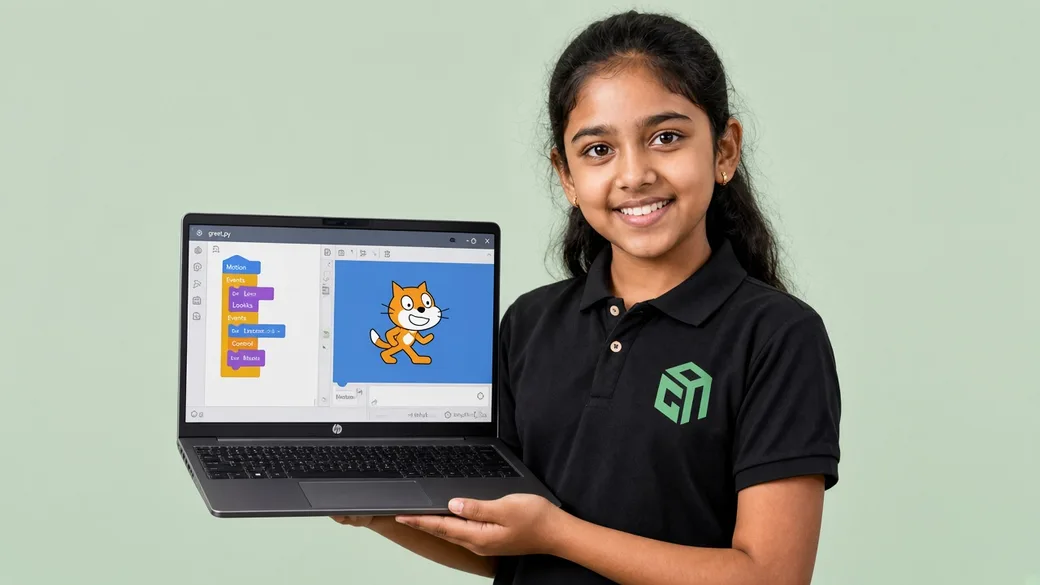
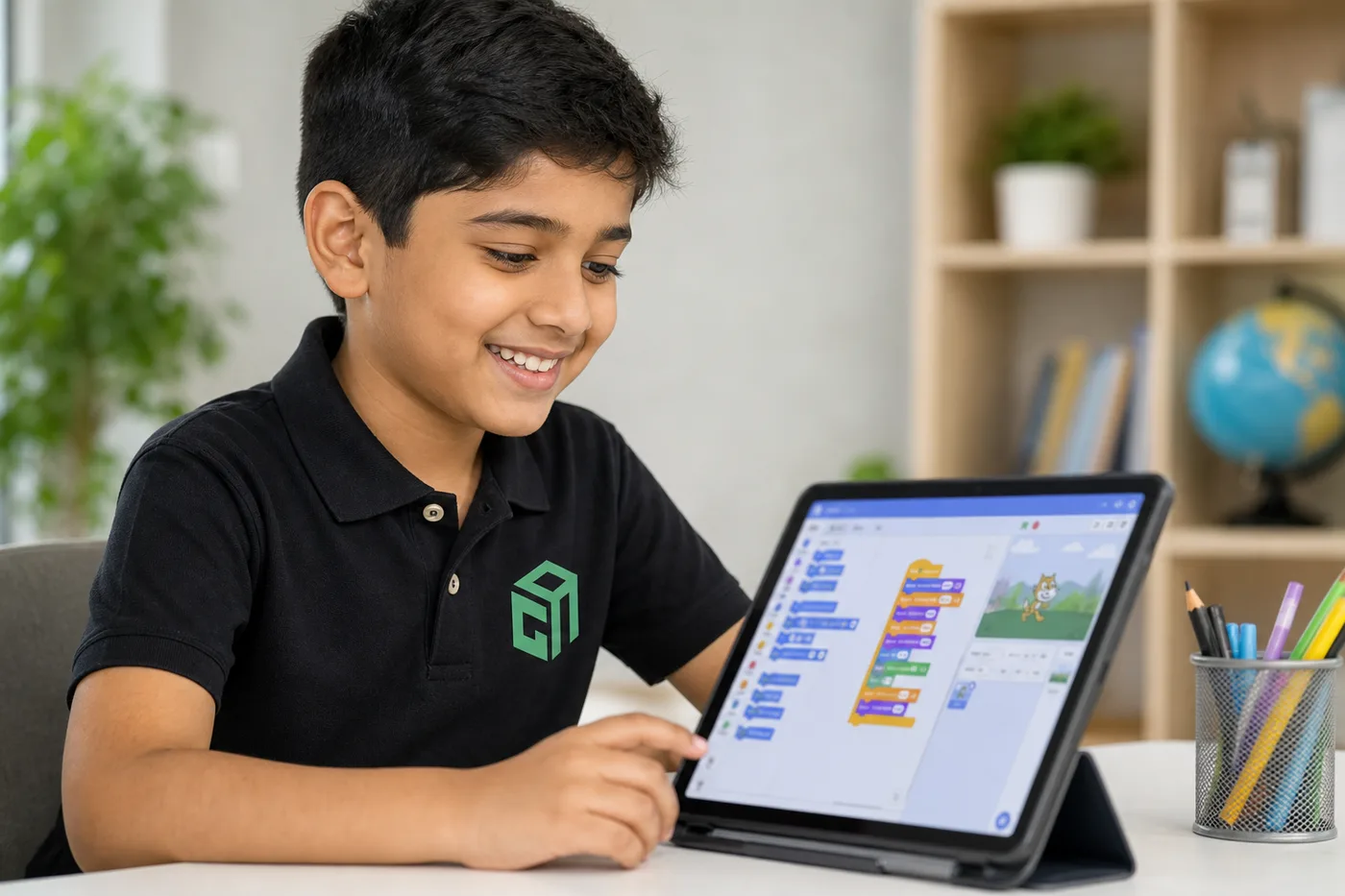
- Class 3–5 (about ages 8–10): Visual coding, stories, animations, and tiny games.
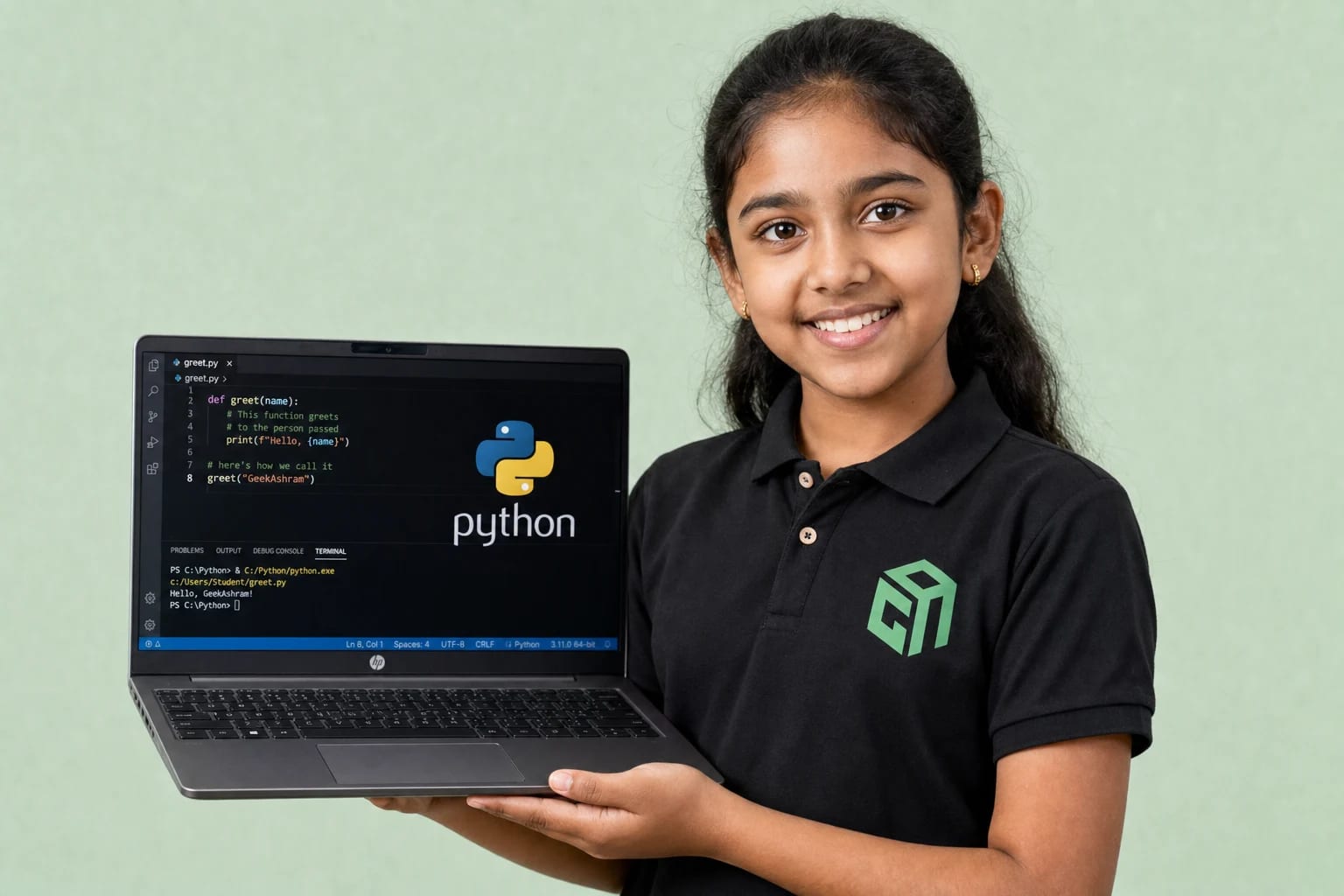
- Class 6–8: Python basics, web beginnings, or creative AI projects with live mentors.
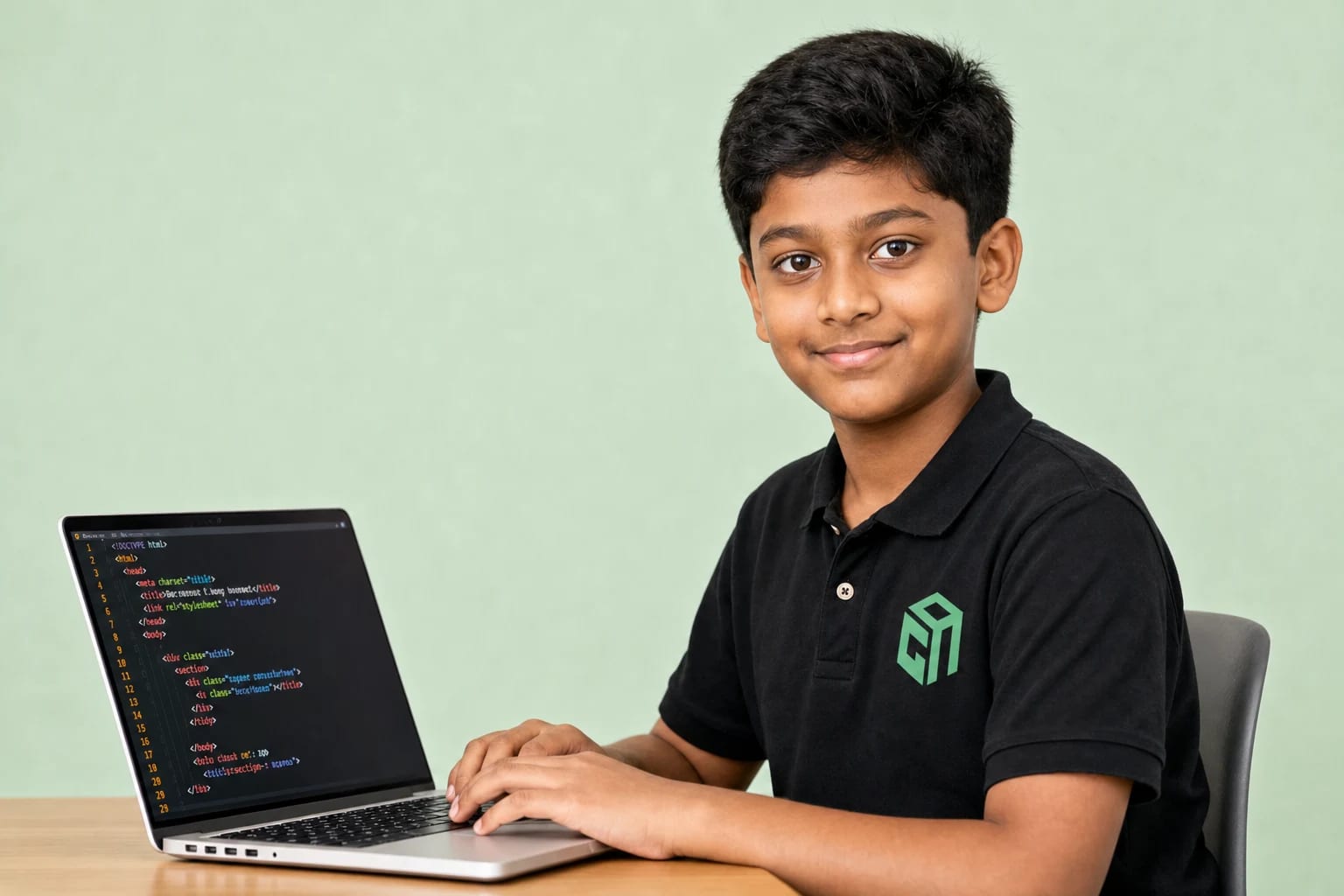
- Class 9–12: Stronger Python, AI/LLM projects, web portfolios, robotics, or entrepreneurship builds.
- Across ages: keep sessions live, short, and project-based — not long recorded lectures.
Whether your family is in India, the USA, the UK, the UAE, Canada, or anywhere with a decent internet connection, live online coding classes make this path practical. Time zones matter less than consistency and a mentor who notices when a child is stuck.
How to Start Without Overwhelming Your Child
The biggest mistake I see is rushing. Parents buy a hard course because it sounds impressive. The child hits syntax walls, feels “not smart enough,” and quietly quits. That is not a coding failure. That is a path failure.
- Start with curiosity: ask what they want to build — a game, a website, a robot, an AI art project.
- Choose live mentoring over endless YouTube playlists.
- Aim for one small finished project every one or two weeks.
- Celebrate explanation, not perfection: “Tell me how this works” beats “Is the code perfect?”
- Balance screen time: active building is different from passive scrolling.
- Try a paid local-currency 60-minute demo (adjusted on enrolment) before locking a long package — fit matters more than fancy marketing.
What GeekashramJr Focuses On in Live Classes
At GeekashramJr, we treat coding as a maker skill, not a memorisation contest. Students learn through projects in Python with AI, web development, AI in Everyday Life, hands-on AI and LLMs, robotics, financial literacy, and entrepreneurship — with mentors who have built real products and still remember what it feels like to be stuck on the first bug.
Our bias is simple: game-based and project-based live classes beat passive videos. Kids remember what they ship. Parents see progress they can point to — a quiz, a portfolio page, a sensor project, a mini chatbot — not just “we covered chapter three.”
So… Is Coding Really Necessary for Every Child?
Necessary like oxygen? No. Necessary like literacy in a world run by software and AI? Increasingly, yes.
Your child may become a doctor, designer, founder, teacher, or athlete. In almost every path, they will use digital systems. The kids who can create — even a little — will adapt faster. Coding will not replace English. But in 2026, English alone is no longer enough to feel fluent in the modern world.
If you are unsure where to begin, start small. Book a paid local-currency 60-minute demo (adjusted on enrolment), share your child’s class and interests, and let a mentor suggest a first project path. The goal is not to manufacture a programmer overnight. The goal is to give your child a language for building — before the world expects them to already speak it.