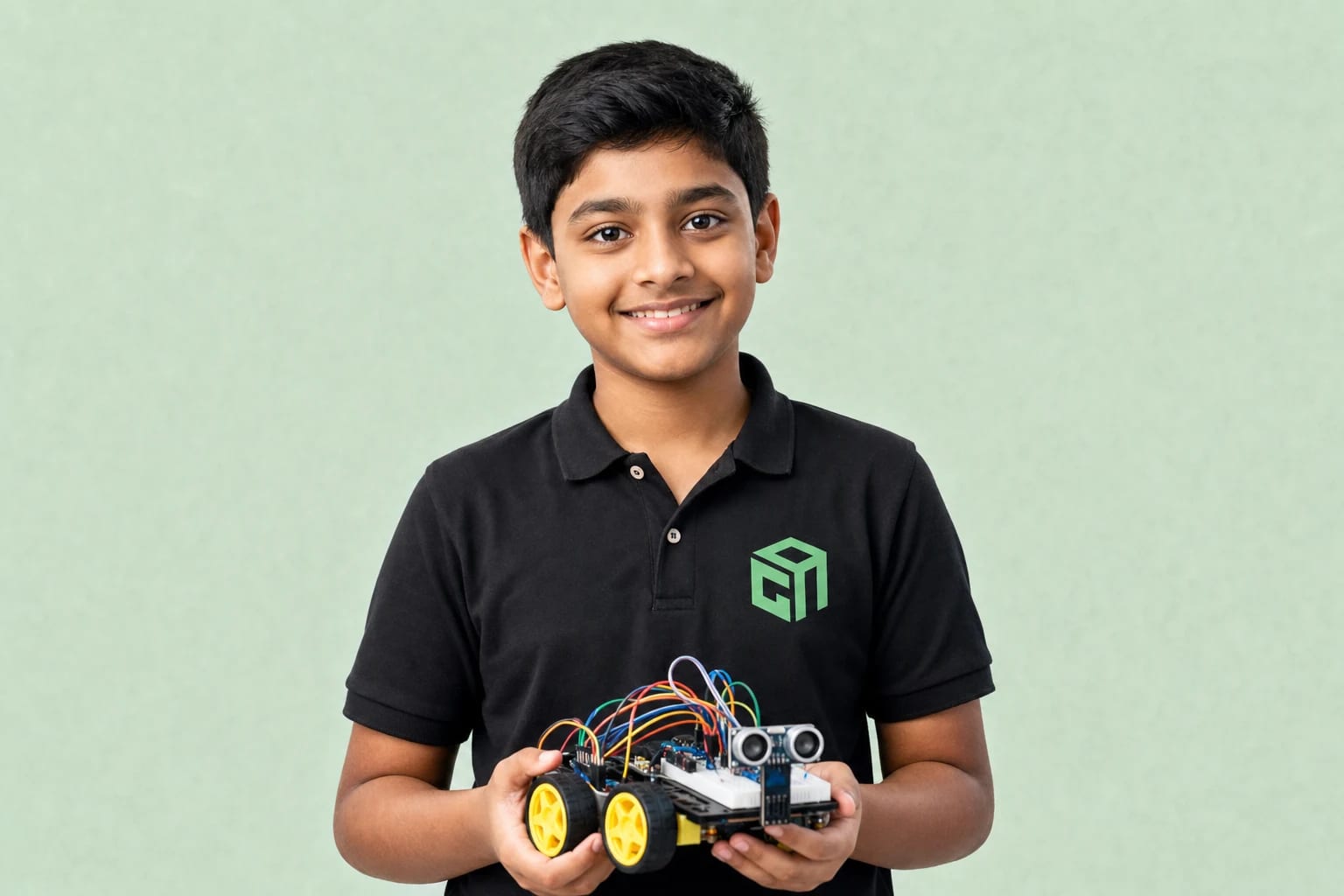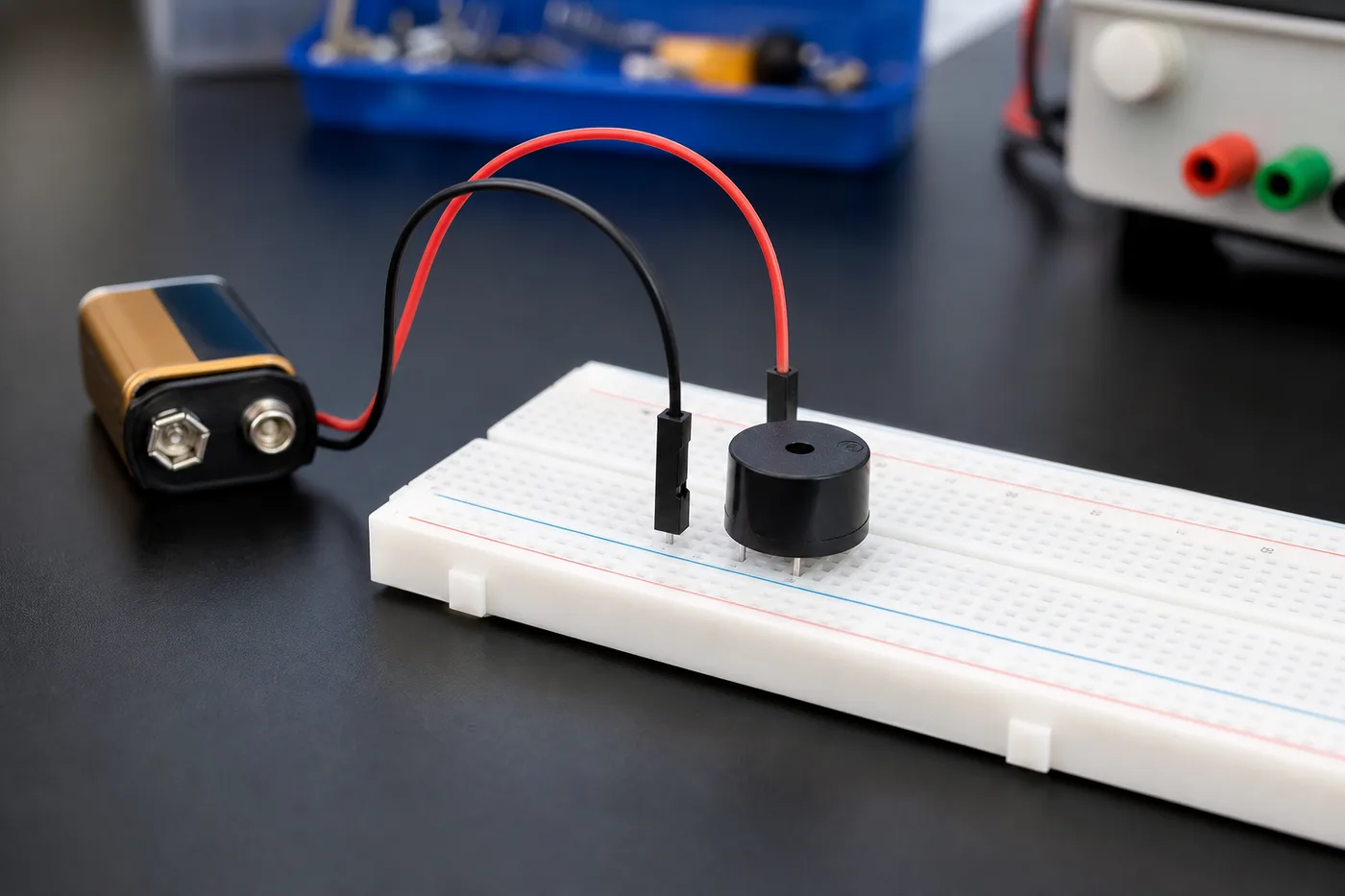
A relay module is an electrically controlled switch. In kids robotics, it helps a small control signal turn another circuit on or off. Think of it as a remote switch your code can flip — with strict low-voltage safety rules.
Where Relays Show Up in Student Projects
- Turning a lamp module or buzzer circuit on/off
- Switching motors with clearer on/off control in demos
- Learning isolation between control and load circuits
Beginner Safety Rules
- Use only mentor-approved low-voltage kits
- Never experiment with wall AC sockets
- Power off before rewiring
- Confirm pin labels: VCC, GND, IN, COM, NO/NC
Learning Sequence
Learn LED → buzzer → motor basics first, then relay modules, then combine sensors with switched outputs. That progression keeps concepts clear.
Continue the GeekashramJr electronics series in the 50-session live robotics course. Book a local-currency 60-minute session (adjusted on enrolment) to get kit guidance.